
Growth happens in the hard moments
At Illuminate Academy, we help kids grow. And do you know the secret to helping people grow? Helping them through the hard moments.
It’s easy to grow in the good. Have you ever grown a plant in ideal conditions? No problems there. But try growing something in rocky soil, without the right rain or sun, and you won’t get the outcome you’re hoping for unless you pivot.
That 7:20 a.m. moment, when you’re ready to go and your child is not? That’s rocky soil. So what do we do?
A principle, not a tactic
One thing you can always expect from me is that I’ll teach you based on principles.
A tactic is a one-time tip that usually works for one thing. A principle is a universal truth. It agrees with nature, and it bears fruit again and again and again.
Today’s principle:
Regulation before expectation.
We get regulated before we expect things to happen. And if the reason your child isn’t ready is that they aren’t regulated, this one is for you.
Option A: say it again, louder
So it’s 7:20. The bags are on my shoulder. I’m ready to walk out the door, and he says no.
I could say, “Put on your shoes.” Then try it a different way: “Hey, sweetie, please put on your shoes.” Maybe he can’t hear me, so I get on his level. Maybe I say it louder.
What’s happening here is the definition of insanity. We’re doing the same thing again and again, hoping for a different result.
Regulation before expectation tells me to do something different.
Option A
Say it again.
Bags still on your shoulder. Same request, a little louder, a little closer. Same result.
Option B
Regulate first.
Notice yourself, put the bags down, get on their level, and offer a choice.
Option B: regulation before expectation
First, am I regulated?
Honestly? No. I’m frustrated. I’m overwhelmed. And I’m surprised. Why can we wear shoes every other day, but not today, when Mommy has a meeting and needs to be on time?
To be regulated means you’re available. If my child isn’t available to do what I’ve asked, saying it again in a different way won’t get us the outcome we want.
Then, notice
I slow down. I pause. I take a breath. And I spend about five to ten seconds scanning the tabs open in my brain for that child. What’s going on right now? Is anything different today? Has something changed? Did I miss something?
- Notice yourself. How am I feeling? Get yourself to a place of regulation first.
- Notice them. What’s happening for your child right now? What might they need?
- Notice the environment. Is anything different? Is something happening that you missed?
Put the bags down
This moment needs me at my best.
The best chance of my child being regulated in their hardest moment is a regulated me.
So the work bag comes off. The purse comes off. I set the water bottle down and put the keys in my purse. I get down on his level and say:
“Hey, I can see you don’t want to put your shoes on. I can help you put your shoes on, or we can talk about a different option. I’m here for you. What sounds good?”
Not an overload of words. Just one or two simple choices. Ideally, your child tells you what they want, what’s happening, and why.
Their nervous system needs yours
Here’s what we know about nervous systems. In that moment, your child doesn’t have the capacity to complete the skill. They’re looking to borrow regulation from someone. And if I’m maxed out, it’s going to be incredibly hard for them to rise up.
You cannot charge a dead car battery with another dead car battery.
You can’t borrow soil from a dead plant and hope it does something magical for another one. You can’t pour from an empty cup.
So I notice where I am first. Then I offer my regulated nervous system for my child to borrow. Practically, that looks like putting my things down, making sure I’m more regulated, acknowledging what they’re feeling, and pivoting to different options.
More is caught than taught
The hardest part of all of this? Noticing yourself. Choosing to say, “Okay, this is not a big deal.” Noticing how you’re responding.
Our children are the number one pattern interrupters in our lives. We had a plan, a place, and a process, and when they interrupt it, it’s really hard to snap back.
But we want to raise children who are regulated and ready to do life, to connect, learn, and grow. To get regulated, they need people in their lives who help them regulate.
And more is caught than taught. We can model and say, “Count to three, take a breath, squeeze my hands.” But we also need to be willing to breathe, count to three, and take that deep breath ourselves before we step into the moment.
Your homework: get the reps in
The next time you’re ready to go and your child isn’t, try option B:
Regulation before expectation.
If you’re thinking, “I’ve done this kind of thing before,” great. You’re already ahead of the game. Becoming consistent is about getting the reps in. That’s what we practice every week in the Connected Collective: upping our noticing game and becoming more present, available parents, so that when the hard moments come, we can walk across them like a cute little backyard bridge.
And if this is new to you and you want to learn to see what’s going on so you know what to do, join me for the Hard Moments, Clear Answers workshop. In one hour, we’ll talk about how behavior is a receipt, why our hardest problems are physics problems and not willpower, and how the secret to overcoming it all is building the muscle of noticing.
Come on home
You are not doing this alone.
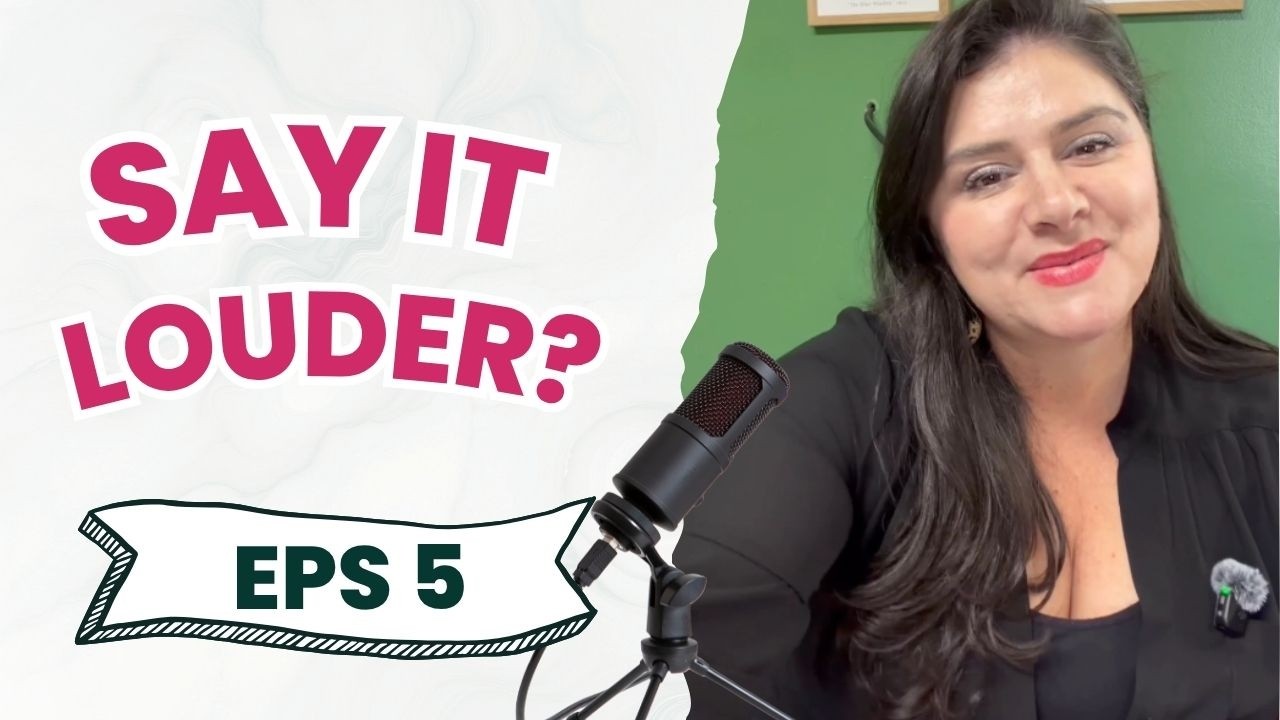
Hit play on Episode 5 of the Connect and Curate Podcast and pull up a seat on my couch. Subscribe, follow, and share it with someone you care about. And when it gets hard, come on home.
Download Home Base, my free app, below.
Home Base
What exactly do I do right now? When it gets hard, come on home. A free app from Illuminate Academy for parents finding their footing.
Get Home Base freeCheering on your best week!Jacquelene
