The hard moments can make sense.
Hard Moments, Clear Answers.
Spend an hour with me and you will leave with three shifts in the way you see, and a way to read what your child cannot tell you yet.
Something at home or at school is not making sense right now.
Your child keeps having bad days and you cannot find the pattern.
You are trying to advocate at school and you want better words for what is actually going on.
Mornings and bedtimes have become the hardest part of your day.
You have one who gets loud, or one who goes quiet, or one of each, and you respond to both the same way because you are not sure what else to do.
You are tired, and a little sad, watching your kid work so hard for days that come easily to other kids.
Any of those is a good enough reason to come. You do not need a crisis to deserve an hour of clarity.
Same math. Different threshold.
That is the through-line of this hour, and it is why it is not only about neurodivergent kids. The science does not care who you are.
Three shifts in the way you see.
Not tips, and not a checklist to keep up with. Three ways of looking that make the hard moments legible, so what you do next has a chance of working.
Behavior is a receipt.
You stop chasing the thing that already happened and start reading what it is telling you.
The meltdown, the shutdown, the refusal, the silence. That is the receipt at the end of a transaction that started much earlier in the day. When you go after the behavior, you are trying to fix the receipt, and the receipt did not decide anything. The better question is what got charged to their account today, and what did I miss.
This is physics, not willpower.
There is a real reason you can know exactly what to do and still not do it at seven in the morning. It is not a character flaw and it was never a matter of trying harder. This is the one that lets you set the guilt down.
A muscle, not an idea.
Why understanding something in a workshop is not the same as reaching for it on a Tuesday, and what actually closes that gap. This is the one that decides whether Wednesday looks different.
Things you can use the same week.
- A better question to ask when you are looking at a hard moment.
- Language for the quiet version, for the child everyone keeps telling you is fine.
- A way to explain your child's day to a teacher or a grandparent that actually lands.
- A reason the six o'clock moment was never really about six o'clock.
- Permission to put down some of what you have been carrying about all of this.
Who this is for.
This is for you if
- Your child keeps having hard days and you want to understand why.
- You are heading into a school conversation and you want better language for it.
- You have read the books and you still want someone to walk it through with you.
- You have a child who gets loud, or one who goes quiet, or one of each.
- Your child is 7, or 17, or 21. Nothing in this is babyish.
- Your child is undiagnosed, or not neurodivergent at all, and you still want this lens.
This is not for you if
- You want a plan built around your specific child. An hour cannot do that well.
- You want a script that makes a behavior stop by Friday.
- You are hoping to book me one on one. I do not work with families that way, anywhere.
- You need a diagnosis or an evaluation.
I built a place for the kids everyone else had run out of ideas for. This hour is what we use there.
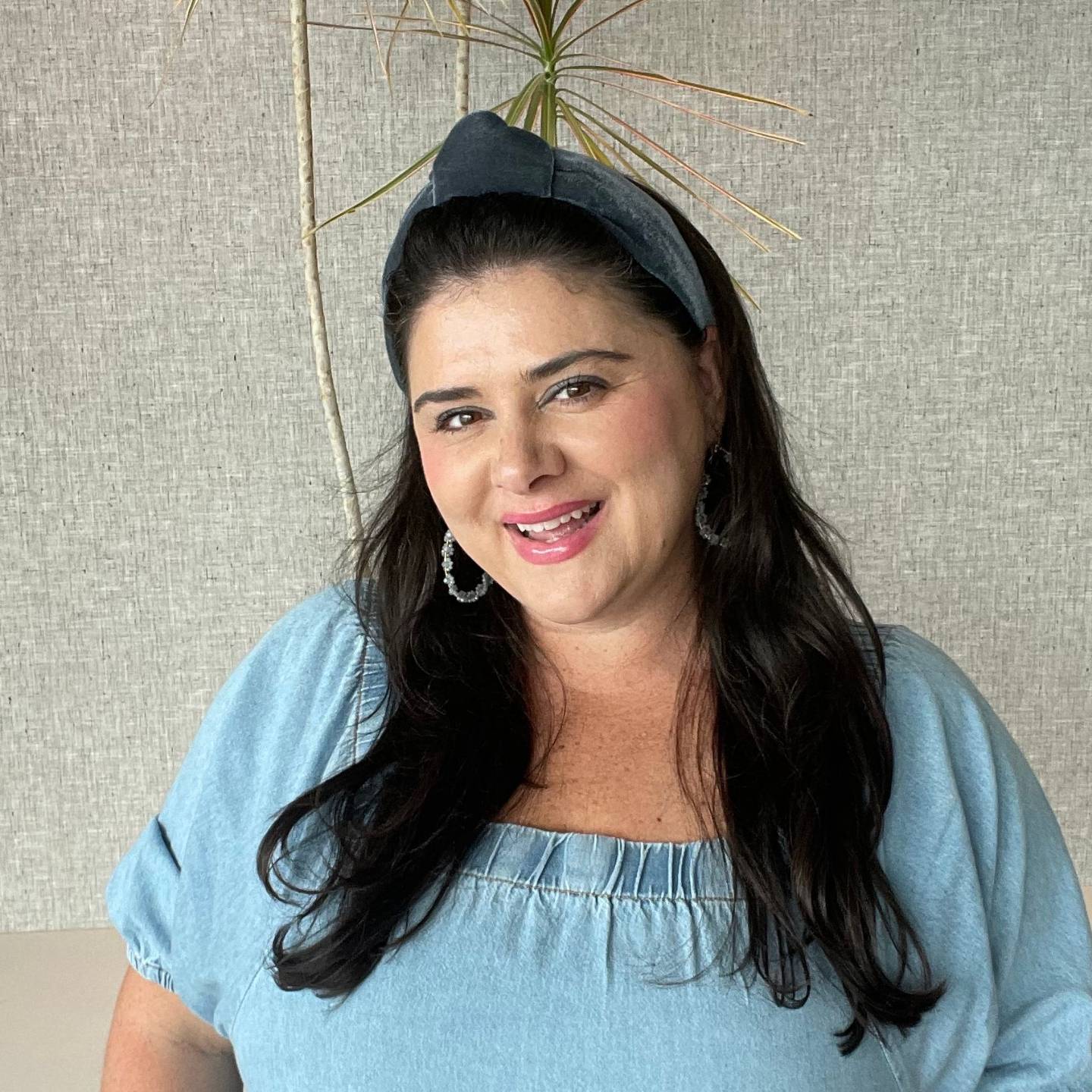
Jacquelene Nigrelli
Jacquelene founded Illuminate Academy and has spent thirteen years building it into a neuroaffirming learning environment where instructors work with around fifty neurodivergent learners, kindergarten through high school. She holds an MA in Special Education and has spent twenty years in autism-specific intervention.
She teaches this hour because it is the thing she wishes someone had handed her much earlier, and because it works. It is not a behavior chart and it is not a list of consequences. It is a way of seeing what is actually happening, taught by someone who uses it every day in a real building with real kids.
She is also a mom of five, so none of the hard moments are hypothetical.
And at the end, an invitation.
If the hour is useful and you want ongoing support for your family, I will tell you where parents keep going with this together. It is a warm invitation, not a hard sell, and you are welcome to take the hour and leave it there.
The things people ask me first.
Does my child need a diagnosis?
No, and your child does not need to be neurodivergent either. This is about reading what is in front of you. It works whether your child has a diagnosis, is waiting on one, or has never been evaluated.
Is my child too old for this?
No. We use this with learners through high school and beyond. Nothing in the hour is built for little kids, and nothing in it will feel juvenile for a teenager or an adult child.
Will this help with school meetings?
Yes, and it is one of the most common reasons parents come. You will leave with clearer language for describing what your child's day actually costs them, which tends to change how those conversations go.
Can my partner watch with me?
Yes. One registration covers your household, and it works better when two people are using the same language.
Do I have to talk or turn my camera on?
No. Come with your camera off and just listen if that is the capacity you have today. You can type a question in the chat whenever you want one.
What if I cannot make it live?
Register anyway and we will send you the replay. The live hour is better because you can ask about your own situation, but the replay is yours either way.
Wednesday, September 23
at 1:00 PM CT.
One hour, twenty seven dollars, and a clearer way of seeing the parts of your day that have been hardest to read. Come exactly as you are.
Save my seat · $27Every other Wednesday at 1:00 PM CT. Choose the date that fits your week.