The diagnosis is information
That’s it. It’s information, and you get to decide what to do with it. Before you do anything else, grab a napkin or a journal and brain dump for 3 to 5 minutes. (I made a free brain dump tool for you. Grab it below.)
Here’s what matters most right now. It’s not the diagnostic criteria, and it’s not the reason your child got this diagnosis. It’s that you were meant to be this child’s mom, dad, grandma, or auntie. Regardless of what any doctor, therapist, or paper says, only you get to decide how you show up.
Only you get to decide how you show up.
First things first: growth has an order
I’ve worked with neurodivergent humans for 21 years, and I built a learning environment for autistic learners 13 years ago. The research across psychology, social work, medicine, and counseling agrees on one thing. The biggest marker of a successful human is social emotional competence (opens in a new tab). In plain English, that means communicating with your world and coping with what the world says back.
Think of it like building a house. We would never build on sand, so we start with the foundation.
- Foundation: felt safety. When we don’t feel safe, we go into fight, flight, freeze, or shutdown, and nobody can be their best self from there.
- First floor: regulation. Not peak performance every day, just ready and regulated to connect, learn, and grow.
- Second floor: communication. Sharing what we want, what we need, what feels good, and what doesn’t, and getting through it when someone misunderstands us.
- Third floor: skills. Your ABCs, haircuts, dentist visits, airplane rides. And hear me on this: skills matter. Skills matter. Skills matter. I’m a mom of five, and I built a learning environment because I want these babies reading and getting ahead in so many ways. I will never tell you skills don’t matter.
And they cannot be the priority for a child who doesn’t feel safe, isn’t regulated, and can’t yet tell the world what they need. You can want it all day long, and it still won’t stick. I wouldn’t put a child in one more therapy if it costs them their regulation. So we start where they are, build the floors underneath, and then the skills have somewhere to land.
Connection fuels growth
The way up is through the doors of connection. Connection means two things: knowing your person (their favorites, their hard things) and starting where they are. When a child is on the floor, it’s time to get down on their level, co-regulate, and help them feel safe. Compliance can wait. Nobody helps you grow like the people who know you best.
The Rule of One
Here’s your first step. Ask yourself: what one thing would make life easier right now? Go all in on that one thing. We’re done with multitasking. One thing at a time.
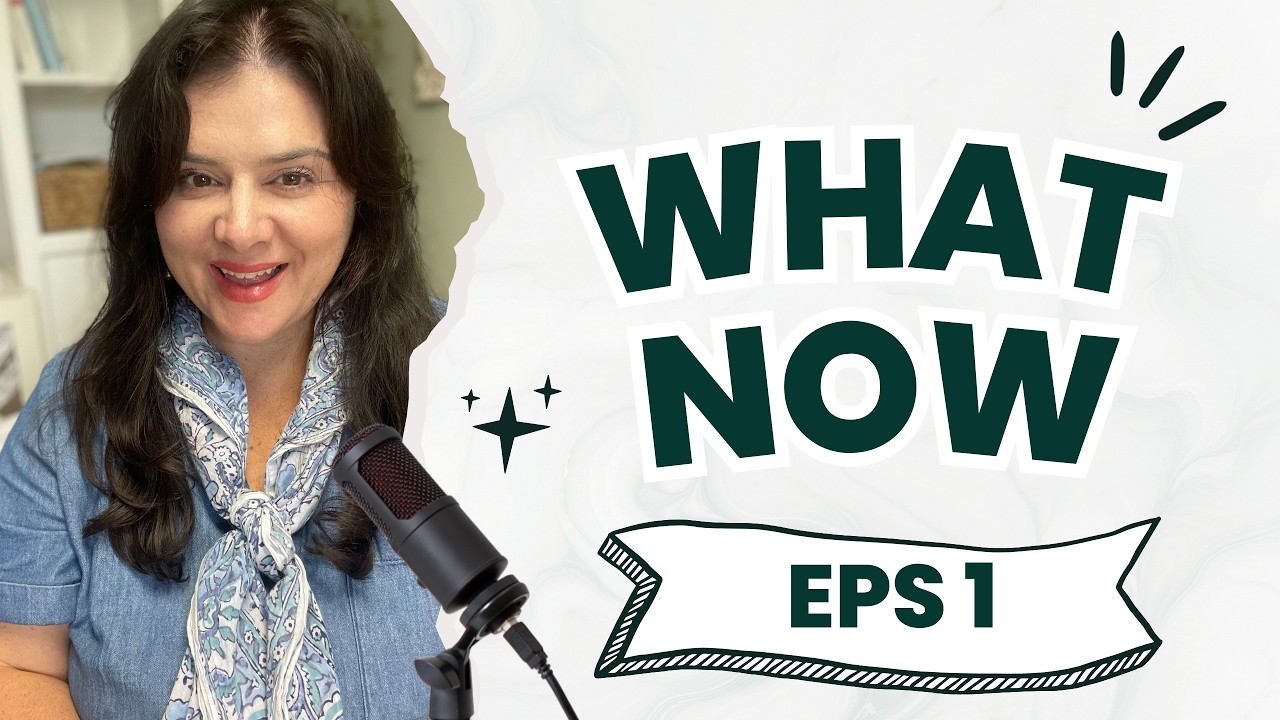
You are not doing this alone. Hit play on Episode 1 of the Connect and Curate Podcast and pull up a seat on my couch. And when it gets hard, come on home. Download Home Base, my free app, below.
Home Base
When it gets hard, come on home. A free app from Illuminate Academy for parents finding their footing.
Get Home Base freeCheering on your best week!Jacquelene
